
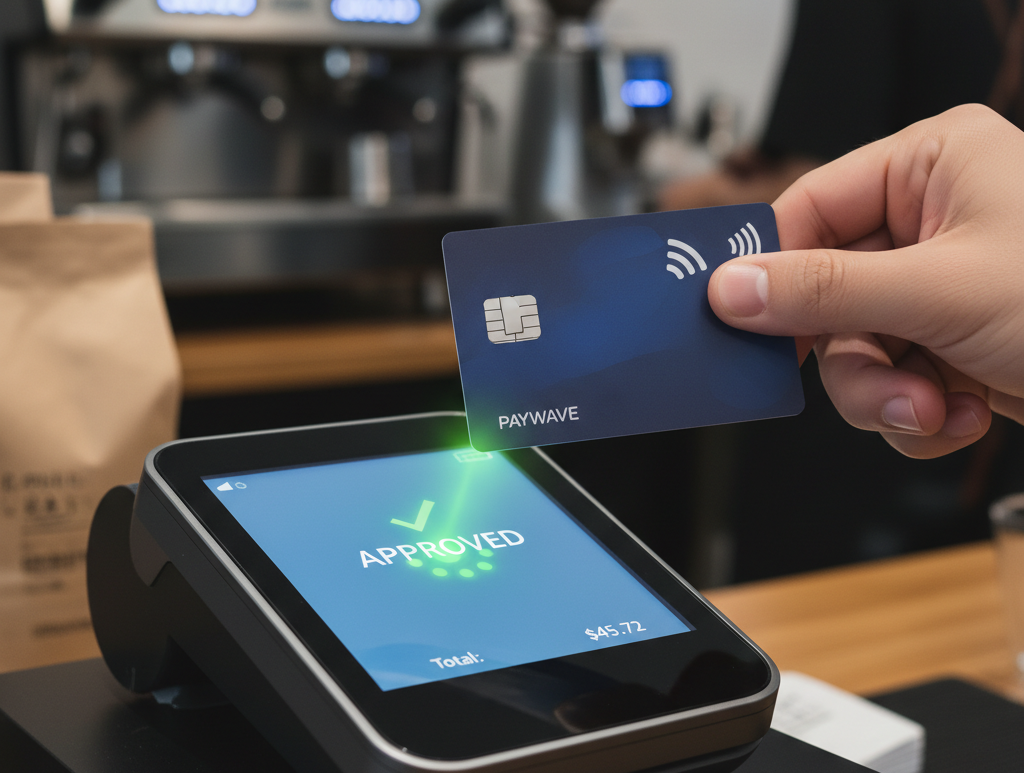
The Future of Contactless Payments in the UK: Trends, Benefits, and What to Expect
Contactless payments have transformed the way we buy goods and services, making transactions faster, easier, and more hygienic. In the UK, this technology has experienced exponential growth, especially accelerated by the pandemic. But what does the future hold for contactless payments? In this article, we’ll explore evolving trends, the benefits these innovations bring, and what consumers and businesses alike can expect moving forward.
What Are Contactless Payments?
Contactless payments allow consumers to pay for goods and services by simply tapping a card, smartphone, or wearable device near a payment terminal. This technology uses near-field communication (NFC) to securely transmit payment information without physical contact.
The Rise of Contactless Payments in the UK
Since its introduction, contactless payment adoption in the UK has soared. According to UK Finance, over 11 billion contactless payments were made in 2022, marking an incredible increase from just a few years ago.
Key Drivers Behind This Growth Include:
– Convenience:Faster checkout times and ease of use.
– Hygiene: Reduced physical contact became vital during covid-19.
– Increased Limits: The contactless limit rose from £30 to £100, encouraging higher-value purchases.
– Wide Acceptance: Found in retail stores, public transport, taxis, and even charity donations.
Emerging Trends Shaping the Future of Contactless Payments
1. Expansion Beyond Cards
While contactless debit and credit cards remain popular, mobile wallets like Apple Pay, Google Pay, and Samsung Pay are becoming dominant players.
2. Wearables and IoT Devices
Smartwatches, fitness trackers, and even smart rings are being equipped with NFC, making payments even more accessible and seamless.
3. Biometric Authentication
Security is paramount. The integration of biometric methods such as fingerprint scanning or facial recognition is enhancing payment security.
4. Integration with Public Transport
London’s Oyster card evolution and contactless credit card acceptance on buses and trains are simplifying travel.
5. Contactless in Hospitality and Events
Restaurants, cafes, and large events are increasingly adopting contactless to streamline payment and reduce queues.
Benefits of Contactless Payments for UK Consumers
- Speed and Convenience
No need to fumble for cash or enter PINs for small transactions.
- Enhanced Security
Tokenisation and encryption protect sensitive data.
- Budget Control
Many banking apps provide real-time notifications and easy tracking of spending.
- Accessibility
People with disabilities or limited dexterity find contactless payments easier.
What Businesses Should Prepare For ?
- Investment in Technology
Upgrading to NFC-enabled terminals is essential.
- Training Staff
Employees need to be knowledgeable about the payment options available.
- Customer Expectations
Customers expect fast, smooth service; any delay can lead to lost sales.
- Embracing Omni-channel Payments
Integrating contactless options online and offline offers seamless shopping experiences.
Challenges and Considerations
– Security Concerns: Despite advances, some consumers worry about fraud.
– Digital Divide: Not everyone has access to mobile wallets or NFC devices.
– Cost of Upgrades: Small businesses may find new technology investments costly.
Final Thoughts
Contactless payments are no longer a novelty they are a staple of modern commerce in the UK. With ongoing innovations and increasing acceptance, both consumers and businesses stand to benefit tremendously. Embracing these changes will mean faster transactions, enhanced security, and a smoother customer experience.
Ready to embrace contactless payments?
Whether you’re a consumer eager to try the latest payment method or a business intending to upgrade your systems, now is the perfect time to join the contactless revolution. Stay informed, stay secure, and tap into the future today!
By understanding and adapting to the future landscape of payments, the UK can continue to lead the way in cashless transactions, setting a new standard for convenience and security.